

Key takeaways
- Trending gift-guide lists are generic by design, which is exactly what makes most of them forgettable as actual gifts.
- A better starting point is a detail already mentioned in passing: a comment about a book, a brand they ran out of, a place they wanted to try.
- Keeping a running note of these small details as you notice them beats trying to recall one at gift-buying time.
- A specific, smaller gift tied to something real usually lands better than an expensive but generic one.
- If you don’t have enough to go on yet, asking directly is fine. It doesn’t undercut the thoughtfulness of following through.
Every gift-giving season, the same lists resurface: “20 gifts for the person who has everything,” sorted by price and vague category. They’re built to apply to as many people as possible, which is exactly why most of what’s on them applies to no one in particular. A genuinely good gift usually starts somewhere else entirely: something a partner said, offhand, weeks or months ago.
Why trending-gift lists usually miss
A trending list has to work for a huge, anonymous audience, which means it optimizes for broad appeal over specific fit. Scented candles, cozy blankets, a nice mug: pleasant, safe, and interchangeable with what anyone might buy for anyone. The genericness that makes a list scale to millions of readers is the same thing that makes any single item on it forgettable to the one person receiving it. A gift that could have come from a stranger rarely reads as thoughtful, even when it’s well-made and expensive.
This isn’t a knock on the people who write these lists, or the products on them. A candle can be a perfectly nice candle. The issue is narrower: a gift chosen to plausibly suit anyone rarely feels chosen for someone in particular, and that feeling of having been specifically thought of is most of what makes a gift land in the first place.
A better method: work from what you know
The more reliable source isn’t a list at all. It’s the small, offhand comments a partner already makes: a book mentioned in passing, a brand they ran out of and complained about, a place they said they wanted to try someday, a show they keep meaning to watch. None of these were said as a request. That’s exactly what makes them useful: they reflect what someone wants, unfiltered by the awkwardness of being asked directly what they’d like.
This is the same instinct behind remembering dates well: the raw material is already there, in ordinary conversation, and the only real obstacle is whether it gets captured before it’s forgotten.
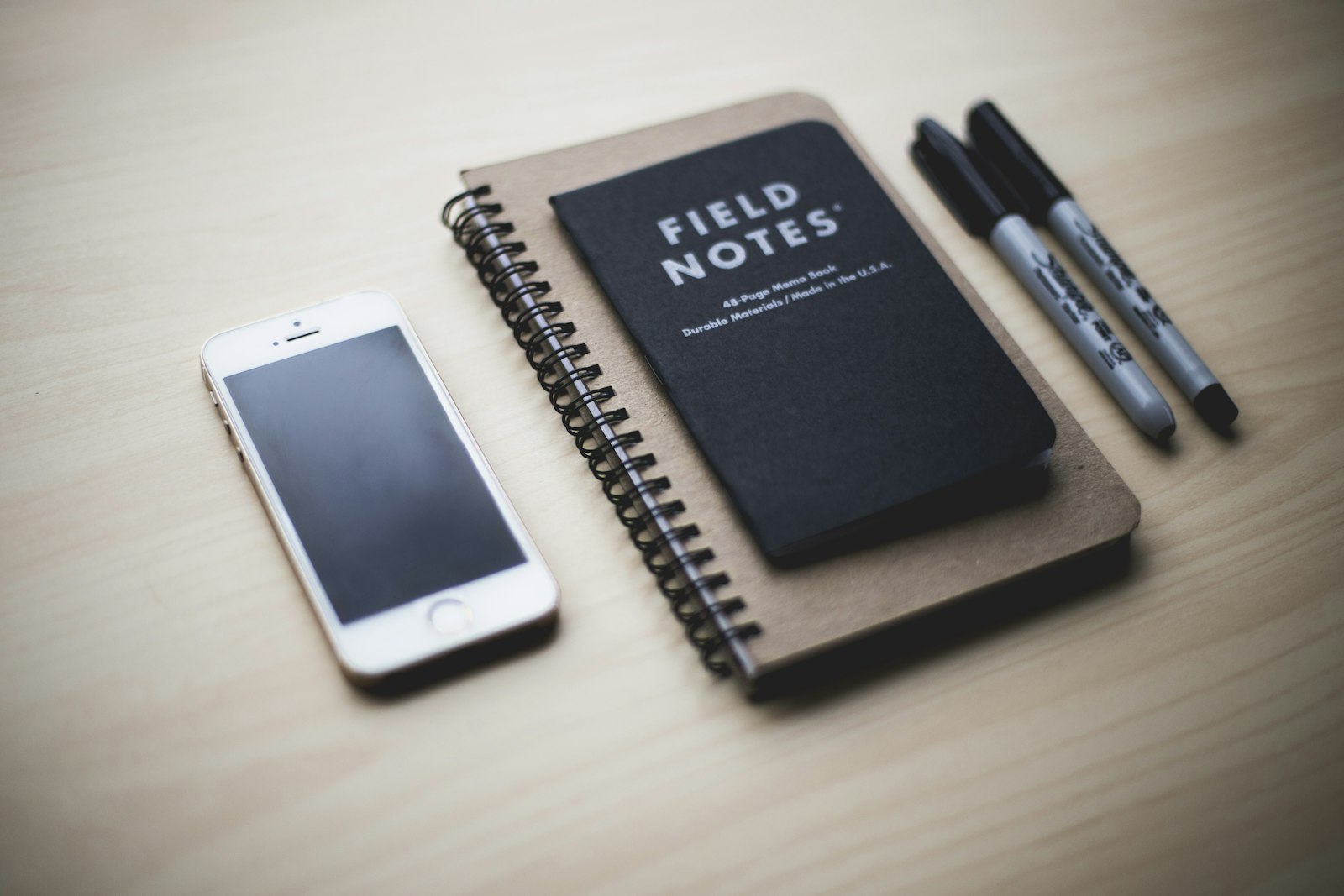
A simple system for collecting ideas
The gap between noticing something and using it later is almost always the same problem: the detail gets heard, feels obviously memorable in the moment, and is gone within a week. The fix isn’t a better memory. It’s writing the idea down the moment it comes up, not at gift-buying time, when the original comment is long gone and all that’s left is a vague sense that they mentioned something once.
A running note works for this, whether it’s a phone note or something like By Heart’s Notes: a private place to log a detail the second it surfaces, sorted so it’s findable months later rather than buried in a random screenshot or a note titled “misc.” The system doesn’t need to be elaborate. It needs to catch the detail before it disappears, since a well-timed thirty-second note beats a frustrating attempt to reconstruct a half-remembered comment from three months back.
This matters most for gifts precisely because the gap between hearing something and needing it is usually long. A partner mentions wanting to try a new hobby in March; the gift moment arrives in December. Nine months is more than enough time for a specific, useful detail to dissolve into a vague sense that something was said, unless it got written down close to the moment it happened.
When you don’t know enough yet
Sometimes there genuinely isn’t a specific detail to work from, and that’s fine. Asking directly (“is there anything you’ve been wanting lately?”) isn’t a failure of thoughtfulness. What makes a gift feel considered is following through carefully on the answer, not guessing correctly without any help. A well-chosen version of exactly what someone asked for beats a creative guess that misses.
The genericness that makes a list scale to millions of readers is the same thing that makes any single item on it forgettable to the one person receiving it.
Skip the trending list. The better gift was probably already mentioned out loud weeks ago, waiting to be written down.