

Key takeaways
- Acts of service is broader than household chores. It’s about noticing and handling something before a partner has to ask.
- Quick acts (a few minutes), planned acts (needing some lead time), and bigger acts (needing real coordination) work differently and suit different moments.
- Generic advice like “do the dishes” misses the point. The value comes from an act being specific to what helps this person.
- Anticipating a need is what separates acts of service from a negotiated chore split. It signals attention, not just labor.
- Writing down small preferences as they come up works better than trying to recall them in the moment they’d matter.
“Acts of service” gets reduced to chores more often than any other way people show care: do the dishes, take out the trash, fold the laundry. Those things count, but they’re the smallest, least interesting part of what the idea describes. The real thing is noticing something needs doing and handling it before anyone has to ask.
Why acts of service is bigger than chores
The chore-list version of acts of service treats it like a fair division of labor: you do this, I do that. That’s a reasonable way to run a household, but it isn’t quite the same thing. What makes an act of service land as care, rather than as a task getting checked off, is that it was noticed rather than assigned. Nobody has to request the thing that gets done before they even think to mention it.
That distinction matters because a perfectly even chore split can still feel like nobody’s paying attention, while a single, well-timed, unasked-for act can feel like a lot of attention at once. The gesture isn’t really about the task. It’s about the noticing that came before it.
Ideas, sorted by effort
Not every act of service needs planning, and treating them all the same way undersells the quick ones. A useful way to think about it is by how much lead time or coordination something takes:
- Quick (a few minutes): filling a water bottle before a long day, sending a heads-up text about traffic, grabbing a coffee on the way somewhere, charging a phone that’s always dying
- Planned (some lead time): picking up a specific ingredient for a meal they mentioned wanting, handling a dreaded errand before they get to it, booking an appointment they’ve been putting off
- Bigger (real coordination): taking over a full day of responsibilities so they can rest, organizing something that usually falls on them without being asked, quietly clearing a weekend so a stressful week has a landing spot
None of these require grand planning to be genuine. A quick act, done consistently, tends to add up to more than one big one done rarely.
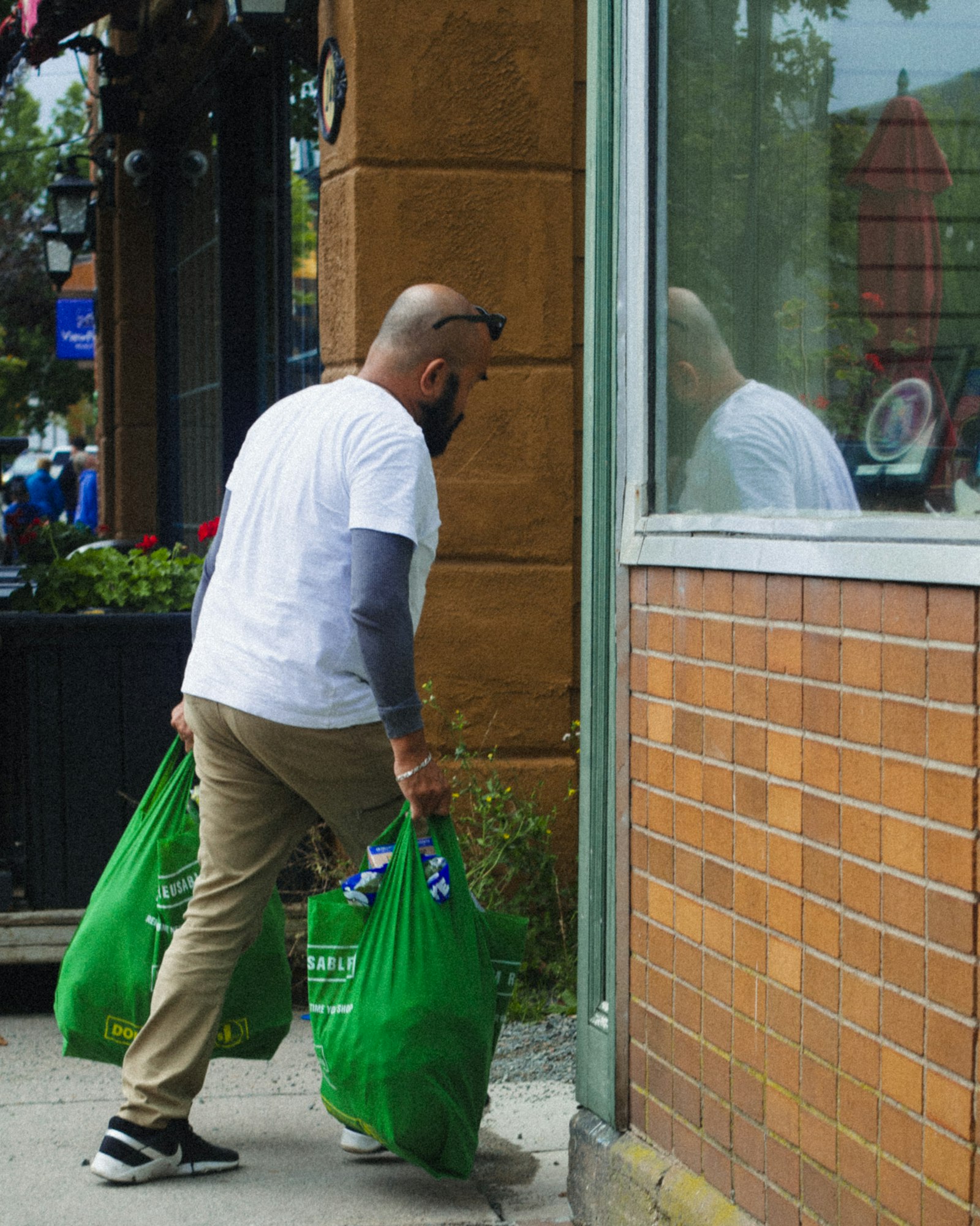
Anticipating versus splitting
It’s worth being precise about the difference between splitting tasks and anticipating them, since they can look similar from the outside but feel different to receive. A negotiated split (“I do the cooking, you do the dishes”) is fine and often necessary, but it’s a system, not a signal. Anticipating a need is different: it means noticing something specific to this person, at this moment, that wasn’t on any agreed-upon list.
This tracks with research on what predicts closeness in relationships. Psychologist John Gottman’s work on everyday “bids for connection” found that responding to small, unspoken moments, not just handling assigned responsibilities, was one of the stronger predictors of couples staying close over time. The chore split keeps a household running. The unasked-for act is what tends to be remembered.
Matching the act to the actual person
The catch with any list like this is that it’s generic, and the whole point of an act of service is that it isn’t. What lands for one person (an errand handled quietly) might barely register for another who’d rather have focused, undistracted time than a task taken off their plate. Acts of service is one useful lens, not a formula, the same caveat that applies to any of the five love-language categories.
The practical fix is noticing and writing things down as they come up: a comment about a dreaded errand, an offhand complaint about something broken, a small preference mentioned once and easy to forget by the time it’s useful. That’s close to what By Heart’s Notes is built for: a private place to save these specific, small details as they surface, sorted so they’re findable later instead of half-remembered. A gesture pulled from something a partner genuinely said tends to land better than a generic idea from a list, this one included.
What makes an act of service land as care, rather than as a task getting checked off, is that it was noticed rather than assigned.
The dishes still need doing either way. The difference is in the things nobody asked for.
Sources
Gottman Institute, “Turn Toward Instead of Away”: findings on responding to everyday bids for connection.